









Help
ESPAÑOL
click here to see search results
WILDFIRE SAFETY & MITIGATION Banner Image

WILDFIRE SAFETY & MITIGATION

Risk Assessment
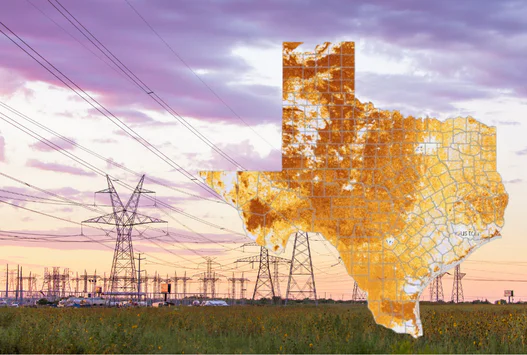
Risk Assessment & Modeling

Identifying elevated wildfire-risk areas using data-driven analysis and advanced modeling tools

Situational Awareness

Integrating forecasted and real-time weather and fire-behavior data to support operational awareness

System Hardening
System Hardening

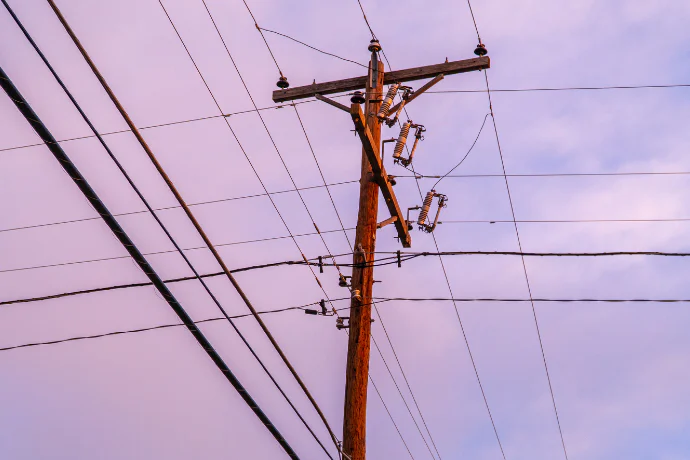
Standardizing fire‑safe devices and upgrading infrastructure to reduce equipment‑related ignition risk

Asset Inspection
Asset Inspection

Using enhanced inspection programs via ground, aerial, and remote sensing to identify and address potential ignition risks

Vegetation Management

Enhancing vegetation management and hazard tree removal in elevated risk areas to maintain safe clearances

Operational Protocols

Implementing fire‑safe work practices and targeted operational controls, including Public Safety Power Shutoff (PSPS) for specific, critical conditions

Customer Outreach
Customer Outreach & Public Awareness

Strengthening coordination and communication with customers, agencies, and communities before, during, and after wildfire events

Plan Performance
Plan Performance & Monitoring

Measuring wildfire‑mitigation effectiveness and refining programs through ongoing monitoring and analysis

Video Thumbnail

FREQUENTLY ASKED QUESTIONS

Wildfires are a year-round risk in Texas, but their frequency and intensity can vary by region due to the state's diverse geography. Texas experiences two primary wildfire seasons: the dormant season from February through April, driven by dry air and high winds, and the summer season from August through October, fueled by extreme heat and drought conditions. Areas with dry vegetation, low humidity, and frequent wind events are at greatest risk.

Oncor follows a proactive, comprehensive Wildfire Mitigation Plan that focuses on minimizing the risk that our facilities ignite or exacerbate wildfires. The plan covers a wide range of topics, primarily focusing on risk assessment & modeling, situational awareness, system hardening, asset inspection, vegetation management, operational protocols, customer outreach & public awareness and plan performance & monitoring.

The Texas A&M Forest Service (TAMFS) is the lead agency for wildfire response in the state of Texas. Members of the public can access the TAMFS incident viewer, which provides information about active and recently contained wildfires, by visiting tfswildfires.com/public/.

A Public Safety Power Shutoff (PSPS) is when Oncor proactively de-energizes certain power lines as a last-resort measure to protect lives, property, communities and first responders from potential wildfires during extreme wildfire risk conditions. These are only utilized during specific, critical conditions of significant wildfire risk. For more information, visit Oncor.com/PSPS.

According to the Texas A&M Forest Service, the largest number of human-caused wildfires is a result of debris burning. Vehicles, welding, other equipment use, and arson are also common preventable causes of wildfires. Texans are encouraged to stay weather aware and practice safe outdoor activities. Customer can also register for MyOncor Alerts by texting REG to 66267 for updates that may impact their home or business.

Oncor is making major investments in wildfire mitigation through the implementation of our System Resiliency Plan (SRP). These investments include hardening poles and wires, modernizing overhead and underground equipment, expanding vegetation management, deploying smart devices for rapid fault detection, and enhancing monitoring across high-risk zones.