Oncor Home




General Inquiries/Service Requests:
contactcenter@oncor.com
(Mon.-Fri., 8 a.m.-6 p.m. Central Time)
(24/7)
General Inquiries/Service Requests:
contactcenter@oncor.com
(Mon.-Fri., 8 a.m.-6 p.m. Central Time)
(24/7)
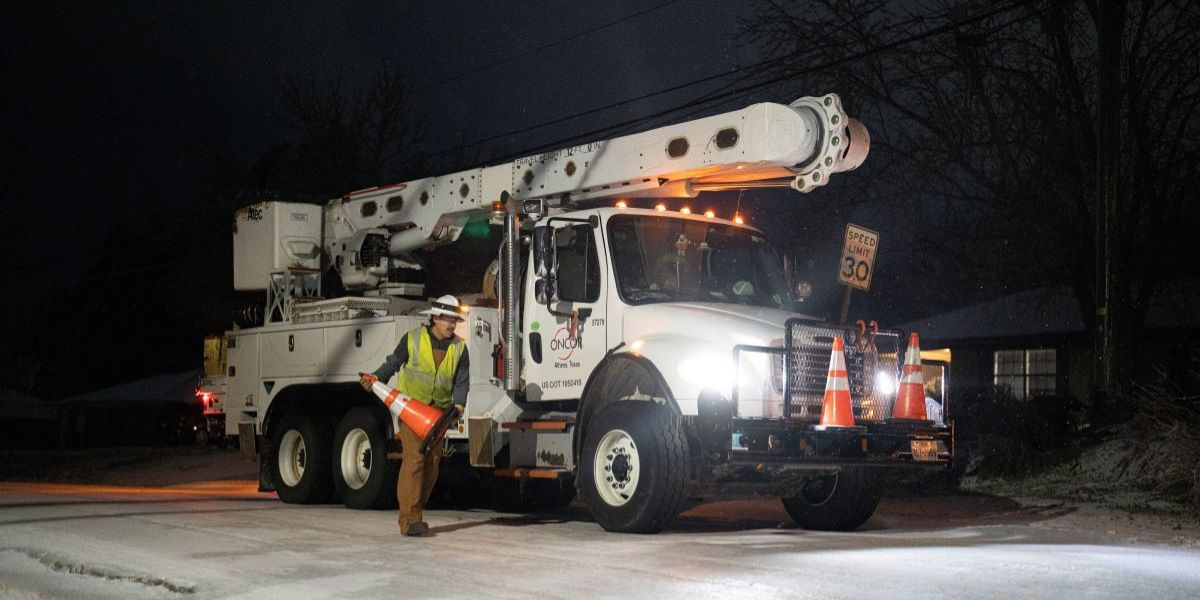
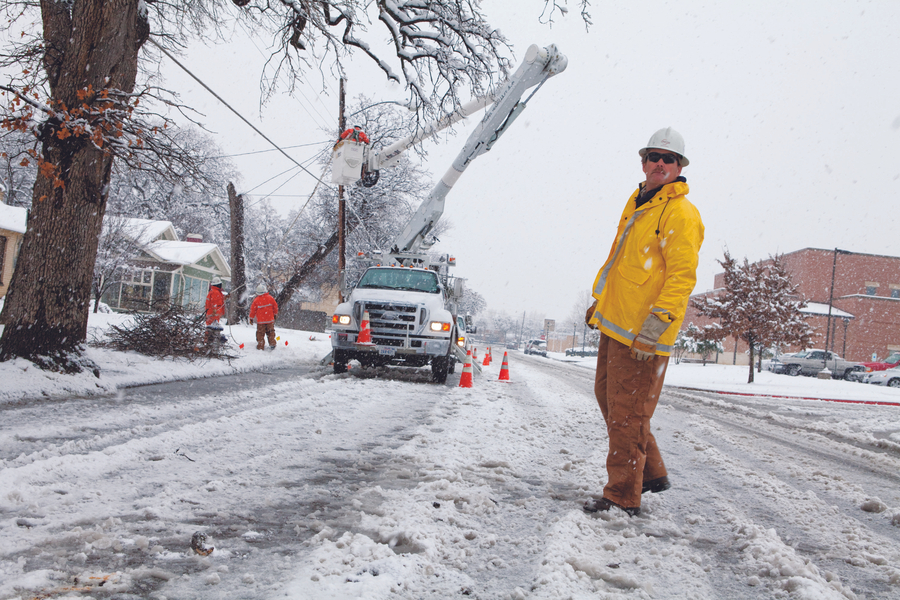
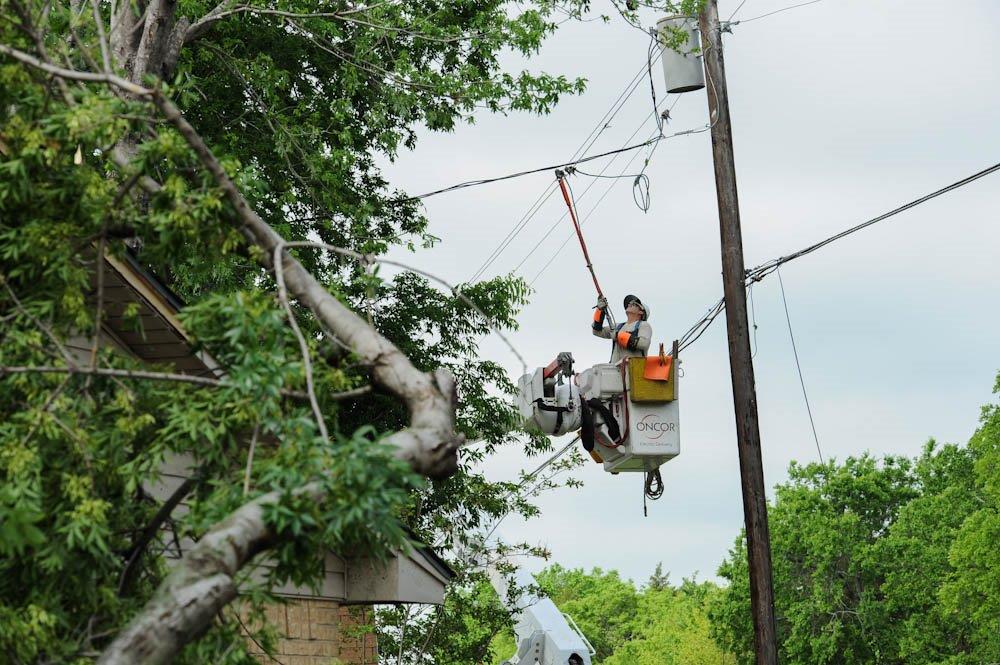
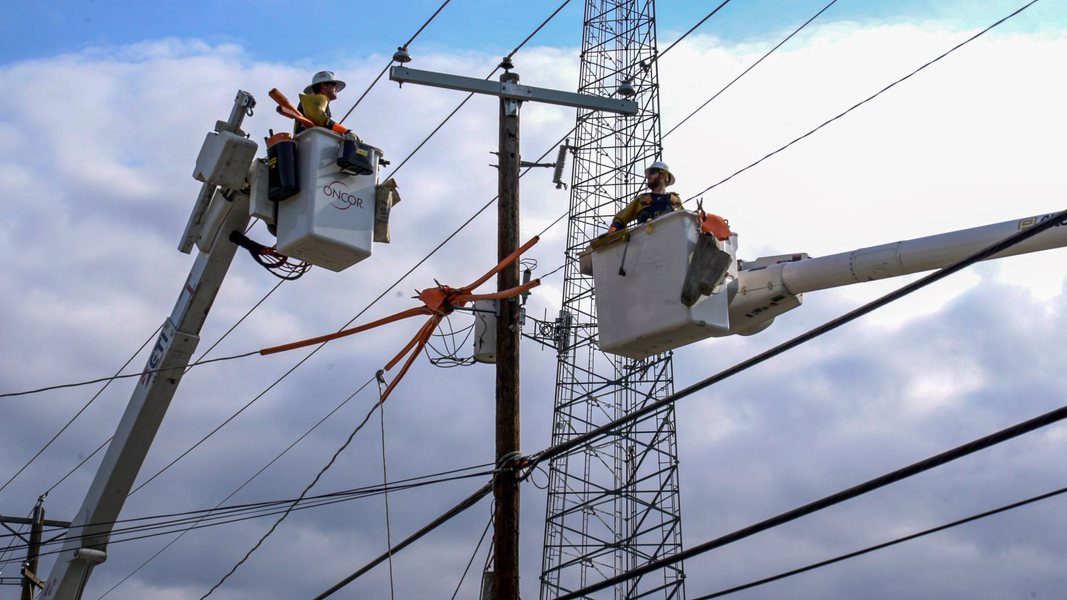
When inclement weather rolls in, Oncor crews across our service area spring into action to travel to outage locations, evaluate damage, and begin the power-restoration process. Our customers can help keep themselves and our employees safe during this process by driving responsibly and giving our crews ample space to safely and efficiently work.
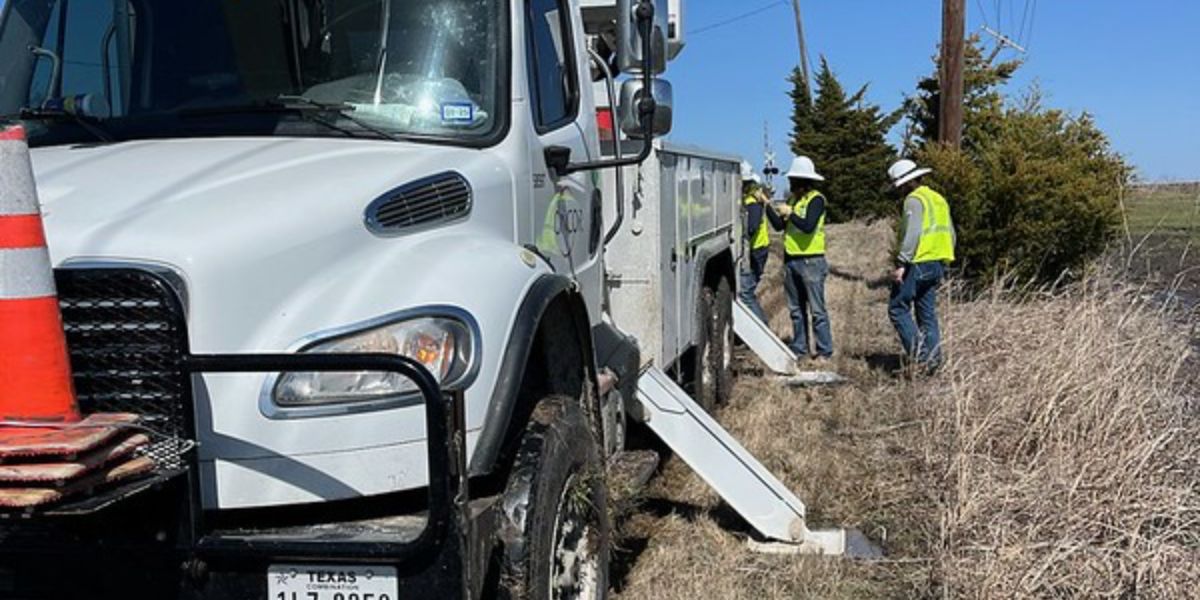
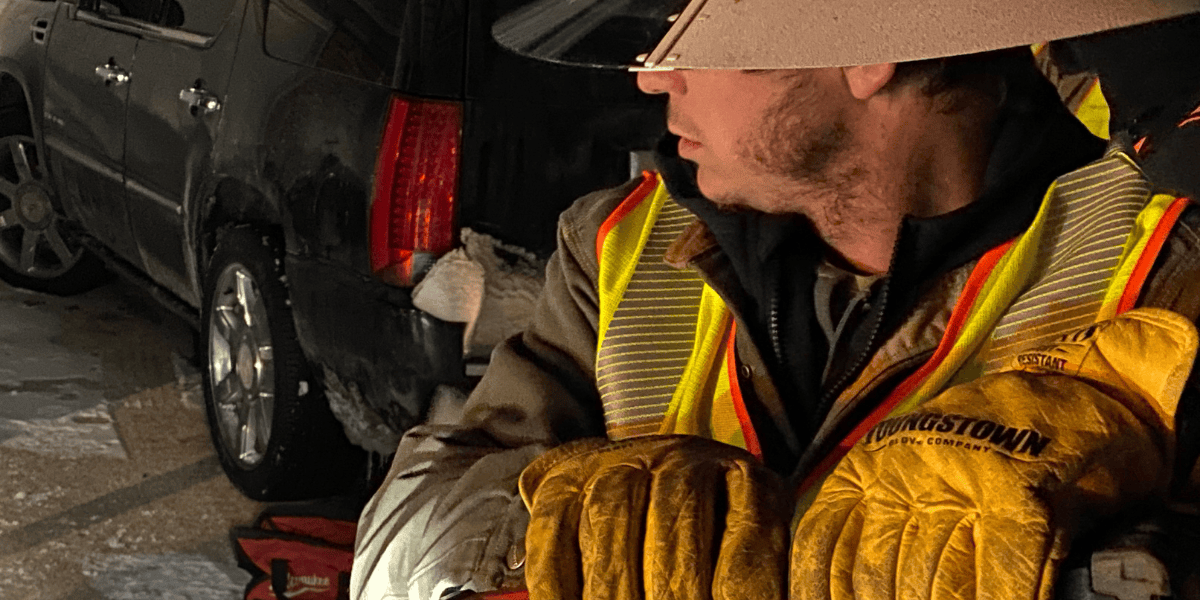
Texas’ Move Over or Slow Down law requires drivers to move over a lane or reduce their speed to 20 mph below the posted speed limit when approaching utility vehicles stopped with flashing lights activated on the roadside. The law helps protect Oncor lineworkers and other personnel as they restore outages, maintenance our facilities and complete other critical work that helps us safely and reliably deliver power.
Safe driving is especially important in wintry weather; even minor ice accumulations on roadways can create hazardous, slick travel conditions. Snow can also become compacted and act as a sheet of ice on roadways. Drivers should use extra caution on bridges, ramps, overpasses, and shaded areas as they tend to freeze first.
RELATED: Oncor Lineworkers Offer Winter Weather Driving Tips
Historically, vehicle accidents during severe winter weather contribute to an increase in power outages and damage to Oncor equipment. Even experienced drivers can lose control on ice, and stopping distances can increase by up to ten times, causing vehicles to slide without warning. Customers should avoid unnecessary travel during hazardous winter conditions. During major events, this also helps keep roadways clear for restoration personnel and other first responders. Those who must travel should take extra precautions and review TXDOT’s Safety Guide for Winter Travel.
Customers can always check current road conditions by visiting DriveTexas.org. Here are some additional tips for driving safely during winter weather conditions:
My Oncor Alerts: Monitor outages, get text updates 24/7